


Meru National Park is a sanctuary, one of Kenya’s most diverse and stunning wild places. It is a realm of striking contrasts, where you can experience all kinds of environments from grasslands, bushlands and riverline forests. This incredible environment is influenced by the 13 rivers found in the area.
Located in the Eastern Part of Kenya near the town of Meru, this park covers an area of about 870 square kilometers. Meru National Park is one of the oldest parks in Kenya, giving it a rich history. For any traveller looking for an African adventure, this park is a place of honour in your itinerary.
From Crisis to Conservation Triumph
Meru National Park was established in 1966 as a purpose for protecting endangered animals like rhinos and elephants. It faced a major crisis in the early 1980s, when massive poaching issues nearly destroyed the wildlife population. But later it was restored in the 1990s by the help of Kenya Wildlife Service, International Fund for Animal Welfare and the EU.
Today this restoration has made it a vital part of the ecosystem and also of the Meru Conservation Area. Its outstanding universal value has earned it a place on the UNESCO tentative list.. This restoration has made it a poacher proof-sanctuary where the roads were rebuilt and also rangers re-hired. Travellers are welcomed to this spectacular place and its environs a testament of conservation and ecological success.
The Born Free Legacy
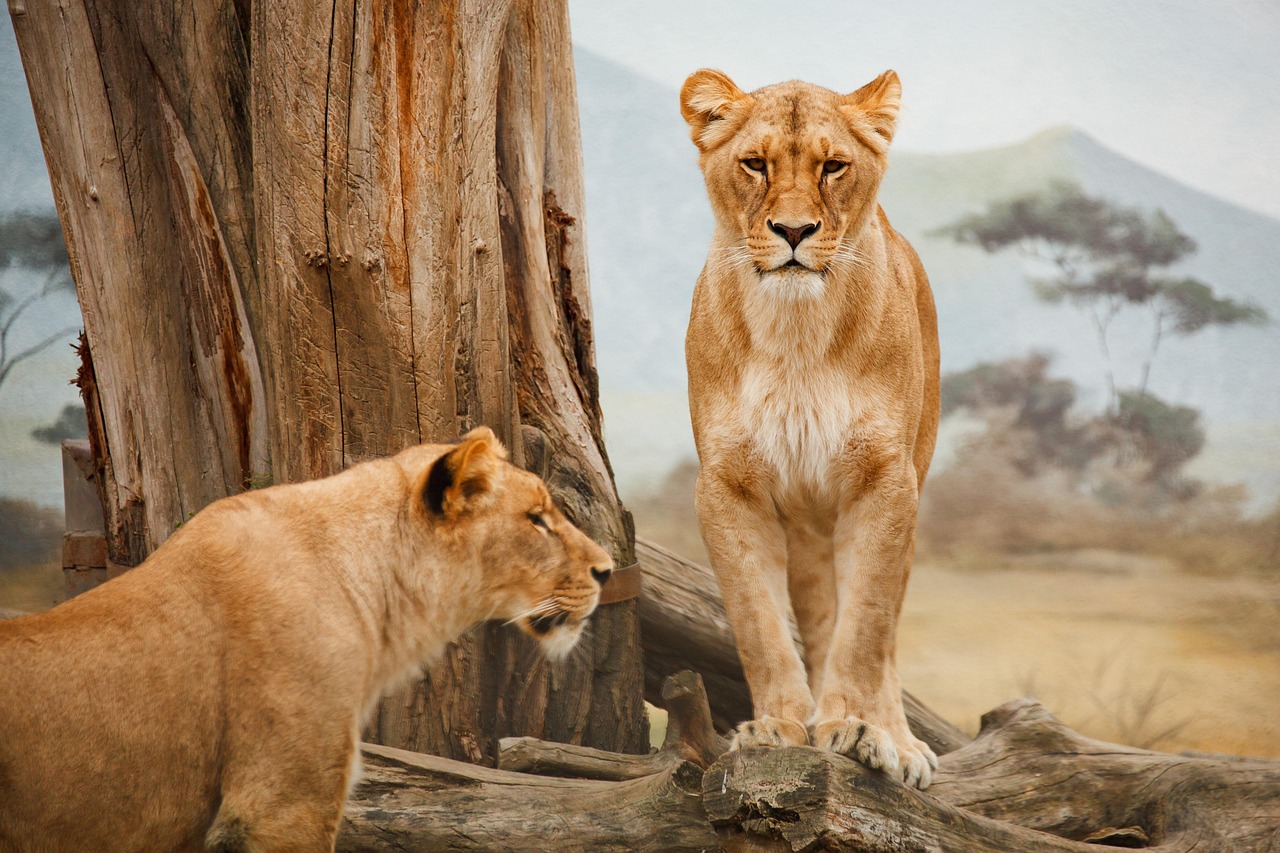
In the 1960s, Meru National Park achieved international popularity as it was the setting where the story and the book ‘Born Free’ originated from. The conservationists George and Joy Adamson rescued a cub they named Elsa, raised it with an aim of one day releasing her to the wild. Which they did successfully, since the lioness was able to form its own pride, lived for long until she succumbed to illness in the later years.
This documented story was written by Joy Adamson which became a global best seller and later it was made into a film. It became a world wide guide to travellers to see this amazing and fascinating story of this park. The spirit of Elsa lives on in Elsa’s Kopje, a lodge named after her honour, which serves as a constant reminder that committed conservation is possible.
The Big Five and Meru’s Thriving Mammals
Meru National Park is a sanctuary to both black and white rhinos. After its restoration rhinos, which were nearly extinct, were protected and their thriving numbers is a symbol of the park’s success. It is also a prime location for meeting the other Big Five animals: Lions, leopards, African bush elephants, buffaloes. Travellers can also expect to see hippos, crocodiles, cheetahs, hippopotamus, eland, waterbuck, Bohor reedbuck, hartebeest, dik-dik, and various species of antelope.
Travellers who are fascinated about birds are able to have an amazing experience, since the park is a birdwatcher’s paradise hosting over 247 recorded species. It is a key site for migratory birds especially between the months of November and April.
The Diverse Scenery of Meru
Meru National Park is often referred to as ‘Green Paradise’ due to its rich topography including rivers, swamps, woodlands, and open plains. It is located near the Nyambeni Hills, which form a water catchment system and are the source of the 13 permanent rivers. Some of the 13 rivers surrounding this park are Murera, Rojowero, Ura, Kiolu and Tana River.
Its landscape has swamps and palms especially near the riverbanks of the rivers crisscrossing the park. Kopjes or scattered outcrops found throughout the park offer travellers exceptional points for game viewing. Baobab trees, which are believed to live over a 1000 years old, can also be found here making it the best place for travellers to visit.
Best time to visit
During the dry seasons which are between the months of June to September and December to February, is the best time for travellers to visit. The dry season makes the roads accessible especially for game drives and also for spotting the animals in the park.
During the short rains that are between the months of October to November and the long rains: March to May, where there are fewer travellers it is an ideal time for birdwatchers and photographers. The landscape in this season is lush and green, ideal for photography.
Meru National Park, with its deep historical roots, various landscapes and thriving wildlife population, offers travellers an itinerary worth remembering. It is a true definition of conservation that can be successful as per Joy Adamson’s story of Elsa. Meru must be the next pin on your travel map.