


Kenya Wildlife Service announcement to adjust its national park entry fees has generated much discussion across the global tourism sector. While any cost increase is notable, understanding the crucial context behind this decision is essential. This is not merely a commercial pricing move but a necessary funding measure intended to safeguard Kenya’s priceless natural heritage. The revised fee structure aims to create a financially sustainable future for conservation work that benefits both wildlife and the visitor experience.
To grasp the importance of this price change, we must look closely at the organisation responsible for this immense task. The goal is to ensure that the wonders of the Kenyan savannah, its vibrant forests, and its marine ecosystems remain protected and thriving for generations to come.
Defining the Kenya Wildlife Service
The full name of the organisation is the Kenya Wildlife Service, a state corporation with the mandate to conserve and manage Kenya’s wildlife resources. Kenya Wildlife Service is not simply a park operator; it is the national guardian of the country’s biodiversity, tasked with ensuring the long term survival of its ecosystems and iconic animal populations.
The vast scale of their operation cannot be overstated. It manages over 60 parks, reserves, and sanctuaries, including all marine protected areas. Their main offices are located in Nairobi, but their operational footprint stretches into every corner of the country where conservation is required. What they do cover, everything from ecological research and veterinary services to enforcement against wildlife crime, a 24 hour commitment to protection.
The Conservation Imperative
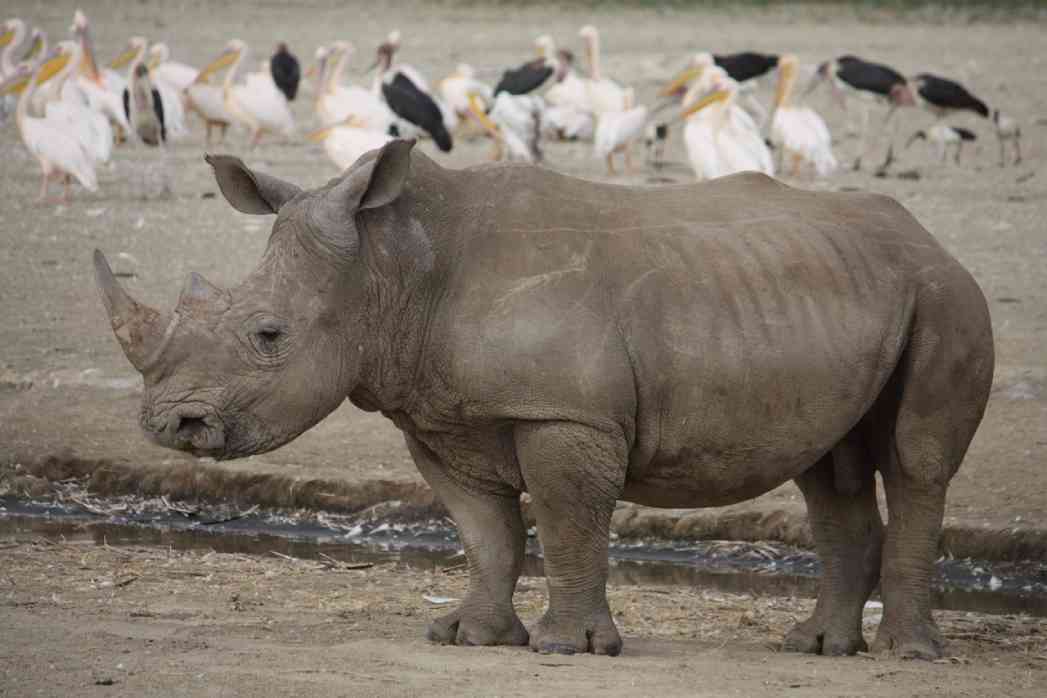
Kenya Wildlife Service plays an essential role in wildlife and plants conservation in Kenya by blending law enforcement with scientific management. The revenue generated by the parks funds highly trained anti poaching units that safeguard vulnerable species like the rhino and elephant. Without this sustained effort, poaching conspiracies would severely ruin wildlife populations, leading to irreversible loss of species.
Furthermore, it conserves the diverse habitats that support this wildlife. Their ecological programmes monitor plant health, manage water resources, and implement habitat restoration projects across millions of acres. This commitment ensures that the grasslands, forests, and marine areas remain viable homes for all species, demonstrating a proactive approach to ecosystem health.
Financial Drivers for the Adjustment
A primary reason why they increased the park fees stems from the fundamental challenge of addressing the massive annual budget deficit. Kenya Wildlife Service reported a significant financial shortfall that has severely constrained its ability to perform its core duties. The previous fee structure, having been largely static for over a decade and a half, could no longer support the escalating cost of operations.
This leads to the second key driver: the unavoidable rising costs of conservation management. Security technology, staff wages, infrastructure maintenance, and essential veterinary supplies are all subject to global inflation. The fee adjustment is a necessary recalibration to reflect the true expense of running a world class conservation operation in the 21st century.
Strategic Investments and Industry Viewpoints
The third and fourth reasons for the fee increase are strategic: to strengthen the financial sustainability of wildlife conservation and to enhance visitor experiences. The increased revenue is earmarked for long term investment, ensuring stable funding for research and infrastructure like park roads and gates. This commitment is designed to maintain the high quality of the safari product, ensuring that visitors receive better service for the higher price.
However, the decision sparked other opinions from industry stakeholders. While accepting the need to increase conservation funding, many in the tourism sector criticised the speed of the implementation. Tour operators argued that the short notice disrupted forward bookings and affected their reputation with international clients. This perspective highlights the need for it to balance its financial imperatives with transparent, long term planning that supports the partners who deliver the tourists.
Protecting the Legacy
Ultimately, the fee increase is an investment in Kenya’s natural legacy. It ensures that the funds are available not only to manage the current challenges but also to guarantee that future generations of travellers can witness the breathtaking scenes of the African wilderness. Paying a higher entry fee is now a direct, tangible contribution to the long term survival of the wildlife.