


Borana Conservancy is a perfect example of how modern wildlife protection should work. It is a gorgeous 32,000 acre piece of wilderness on Kenya’s Laikipia Plateau that has found a brilliant way to mix fancy tourism with serious responsibility for the environment. Borana’s main belief is simple: making money through smart, green tourism is the only real way to save animals that are in danger and help local communities in the long run.
This special place proves that having a beautiful, high end holiday and working hard on conservation can go hand in hand. By making sure every single thing they do from making electricity to taking care of guests is done in a green way, Borana Conservancy brings in the steady money needed for intense rhino conservation. Their success story is a great guide for other protected areas all over Africa.
Where This Special Place Is Located
Where it is located is actually a big part of why it works so well. Borana Conservancy sits right on the beautiful foothills that lead up to Mount Kenya. Its high spot on the scenic Laikipia Plateau means it has different types of land, from open forest to grassland. This location helps many different kinds of animals move around safely.
The conservancy is perfectly placed near parks that are essential for the overall wildlife population. It sits right next to the famous Lewa Wildlife Conservancy. Together, they form one huge, safe area for rhinos, making it one of the largest and most successful places in East Africa for protecting them from danger.
What Makes Borana Famous
What it is known for is its strong focus on four key areas: Conservation, Community, Culture, and Commerce. Unlike many parks, Borana’s main goal is protection, and they use tourism just as a tool to pay for it. They started a great model where every decision is checked against whether it helps the environment and whether it brings long term safety for the land and the wildlife found here.
Borana Conservancy is celebrated globally because they are so serious about sustainability. They operate in a way that is almost carbon neutral by using solar power and planting trees to balance out any pollution. This green approach makes sure that the animal’s natural home stays healthy and is not harmed by visitors.
The Wildlife Found Here
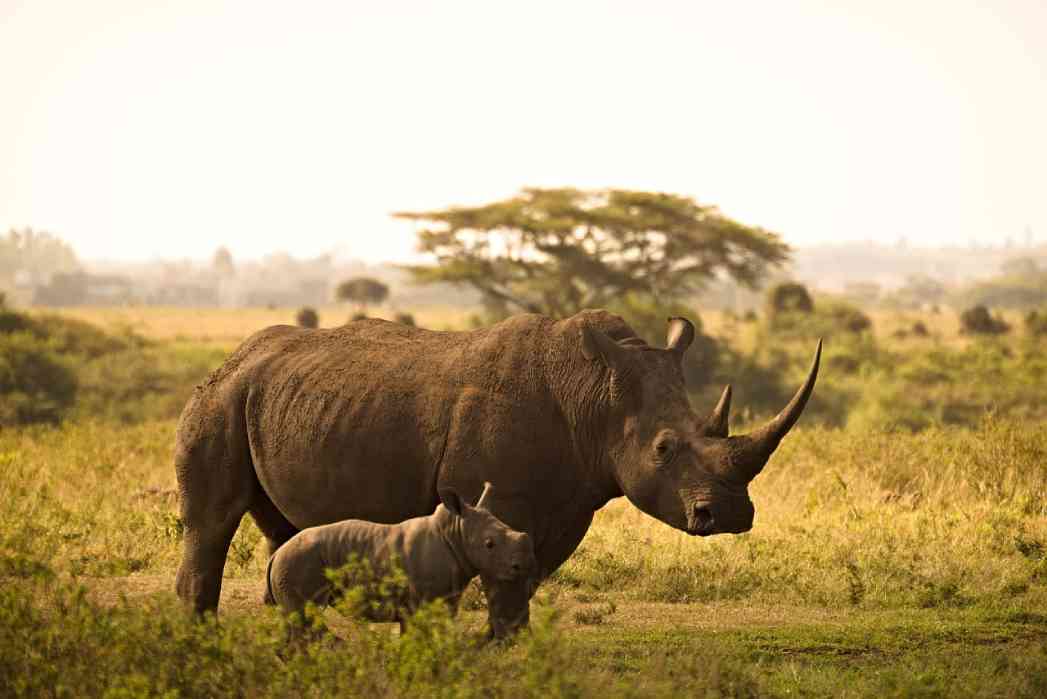
The most important part of Borana Conservancy’s mission is rhino conservation. The wildlife found here includes both the smaller, endangered Black Rhino and the larger White Rhino. Because Borana teamed up with Lewa, they created a giant sanctuary where the rhinos can safely reproduce and grow their numbers under constant protection. Their thriving rhino population is a clear sign that the conservancy’s hard work is paying off.
You can also find lots of other rare animals that live in Northern Kenya. Visitors often see the endangered Grevy’s Zebra, the long necked Gerenuk, and the reticulated giraffe. The health of all these animal groups shows how carefully Borana manages the land, ensuring there is enough water and food for everyone.
Green Practices Pay Off
Borana Conservancy’s green sustainability efforts directly provide the money needed to save wildlife and help the local community. The income they make from their lodges pays for their full time security teams, all the necessary tracking equipment, and the expensive medical care the rhino needs. If this money dried up, the animals would quickly be in danger.
It is also important that the conservancy provides huge community benefits for the local people who live nearby. Borana offers jobs, access to health clinics, and funds for schools, which creates a strong connection. This partnership means that the local people see that the health of the wildlife is directly tied to their own financial success.
Securing the Legacy
The great success seen at Borana Conservancy offers valuable lessons for conservation efforts everywhere. It proves that being open about money and completely dedicated to sustainability can bring in the reliable funding that nature needs. Their ecotourism model is a powerful way to turn ethical travel into real environmental action.
In the end, Borana Conservancy is doing more than just saving rhinos; they are building a lasting legacy. By including local people, running carbon neutral operations, and providing intensive security, they have created a self sustaining system where endangered species can truly recover. This smart way of working ensures this beautiful part of the Laikipia Plateau is safe for many generations to come.