


Masai Mara , often referred to as the Masai Mara or simply “The Mara,” is one of Africa’s most iconic wildlife destinations. Located in southwestern Kenya, it spans over 1,500 square kilometers of breathtaking savannah, rolling hills, and riverine forests. The reserve is named after the Maasai people, the area’s traditional inhabitants, and the Mara River, which meanders through the landscape. The very mention of the Masai Mara conjures images of boundless plains and magnificent animal spectacles, making it a dream destination for travellers worldwide.
Masai Mara is a Wildlife Haven
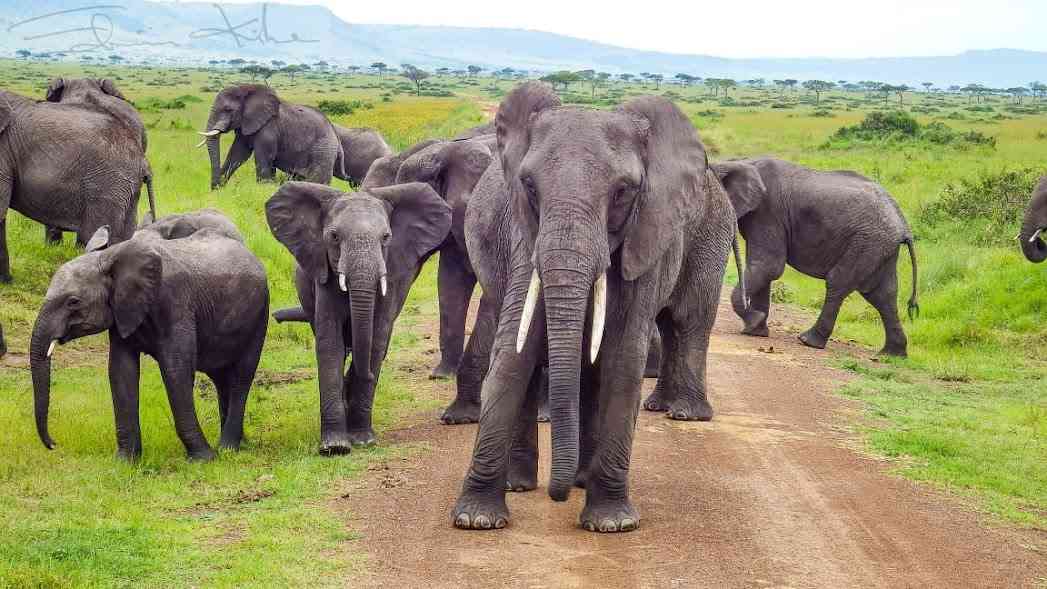
The Masai Mara safari experience is world-renowned for its incredible biodiversity. It is one of the best places in Africa to spot the Big Five: lion, leopard, elephant, buffalo, and rhinoceros. But the wildlife does not stop there. Visitors frequently encounter cheetahs, known for their incredible speed across the open plains, as well as majestic giraffes, striped zebras, massive herds of wildebeest, and countless other species roaming freely. The concentration of animals here, especially during the peak season, is astounding.
The Mara’s vast ecosystem is also a paradise for birdwatchers, with over 470 recorded bird species. From vibrant lilac-breasted rollers that flash brilliant blue and purple as they fly, to majestic eagles and secretive owls, the skies and trees of the Mara are alive with colour and sound. A game drive can easily turn into a spectacular birding expedition, offering a different, yet equally rewarding, perspective on the reserve’s life.
The Great Migration in Masai Mara
Every year, the Great Migration transforms the Masai Mara into a stage for one of the most dramatic wildlife events on Earth. To secure your front-row seat to this spectacular experience, explore our specialised Masai Mara safari packages here.
This spectacular movement involves millions of wildebeests, zebras, and gazelles journeying in a colossal, circular loop from Serengeti National Park in Tanzania to the Mara in search of fresh, greener grazing lands.
This awe-inspiring, natural phenomenon, often called the “World Cup of Wildlife” or the “Greatest Show on Earth,” typically peaks between July and October. This is when the immense herds face their most treacherous obstacle: the crocodile-infested Mara River. Witnessing a river crossing is a heart-pounding, bucket-list experience for nature lovers, photographers, and anyone seeking raw, untamed beauty, as the predators of the Mara—especially the powerful Nile crocodiles—lie in wait. While the precise timing of the river crossings is unpredictable, their occurrence makes the Masai Mara an undeniable must-see destination during these months.
Cultural Significance
Beyond the captivating wildlife, the Masai Mara offers a profound cultural experience. The Maasai people, known for their distinctive red shukas (vibrant attire), mesmerizing traditional dances, and pastoral lifestyle, live in community conservancies that border the main reserve. These conservancies play a crucial role in protecting the ecosystem.
Visitors have a valuable opportunity to engage with local Maasai communities, learn about their customs, and understand their deep-rooted relationship with the land and the animals. You can participate in village visits, hear stories from Maasai warriors (morans), and purchase authentic, handmade Maasai crafts as meaningful souvenirs. These interactions provide a deeper understanding of the region’s heritage and the harmonious coexistence between people and nature in the greater Masai Mara ecosystem.
Best Time to Visit
The Masai Mara is a year-round safari destination, but the best time to visit depends entirely on your primary interest:
- July to October: This is the peak season, corresponding with the arrival of the Great Migration. It is ideal for witnessing the dramatic river crossings and intense predator-prey interactions. The weather is generally dry and sunny.
- November to June: These are the quieter months. The landscape is lush and beautifully green following the rains, offering excellent photographic opportunities. Birdwatching is superb, with migratory species present, and wildlife viewing remains strong, especially in the early mornings and late afternoons. Critically, these months offer a more serene safari experience with significantly fewer tourist crowds.
Why Visit the Masai Mara?
Whether you are chasing the spectacle of the migration or seeking a quieter, more intimate safari focused on big cats and birdlife, the Mara delivers unforgettable moments in every season. The variety of accommodation options, from luxury lodges to classic tented camps, ensures that every traveller can find a perfect base for their exploration of the Masai Mara.